

Cultivating Global Citizens
Discover how I empower my students to be engaged, empathetic, and informed members of an interconnected world, fostering understanding and respect across cultures.
What Global Citizenship means?
To me, global citizenship means helping students understand that they are part of a diverse and interconnected world. In my teaching, I intentionally create learning experiences that encourage students to explore different cultures, perspectives, and global issues while developing empathy, respect, and critical thinking skills.
In addition, I have created a cultural corner in my classroom that serves as a daily reminder of the importance of global awareness. This space includes examples of currency from Honduras, which naturally sparks students’ curiosity. We often engage in fun and meaningful activities such as converting U.S. dollars into Honduran lempiras, helping students connect mathematics with real-world global contexts.
I also display national heroes and historical figures from Honduras, which allows students and me to compare and contrast important leaders from my country and from their own cultural backgrounds. This promotes meaningful discussions about history, leadership, and cultural identity.
Furthermore, I use visual resources such as a map of Honduras to help students understand geography and develop spatial awareness of the world beyond their local community. The classroom also features the Honduran national flag and cultural items like a traditional T-shirt, creating an environment where diversity is visible, valued, and celebrated. Through these daily experiences, students develop curiosity, cultural pride, and a broader global perspective.


Teaching Global Citizenship Through Meaningful Experiences
One of the most meaningful ways I teach global citizenship is by creating opportunities for students to interact with peers from different cultural backgrounds. Through a cross-cultural exchange activity using Padlet, my students connected with students from Honduras to share and learn about holiday traditions. This experience allowed them to develop curiosity, empathy, and a deeper understanding of cultural diversity while practicing communication and critical thinking skills (click the link below to see this Padlet).
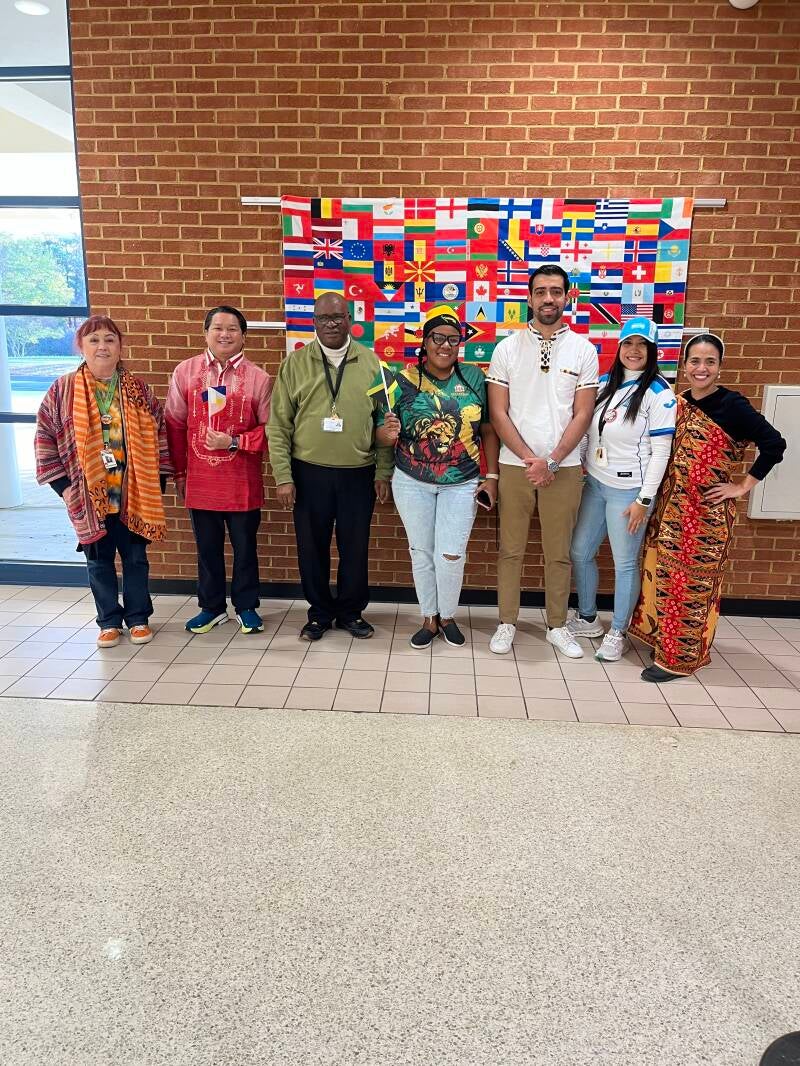
In addition, our school hosts an international parade where students and teachers proudly represent their countries by carrying flags and wearing traditional attire. This celebration promotes cultural pride, respect, and awareness within our school community, helping students recognize the value of diversity.
As the advisor of the Latina Glow Club, I guide students in creating projects that highlight traditional foods, drinks, games, and national achievements from various countries, enriching their understanding and appreciation of global cultures. We also draw different Latin flags and maps that later on we display around the school


Student Growth Through Global Citizenship
My focus on global citizenship has helped my students develop a stronger sense of identity, confidence, and appreciation for cultural diversity.
One meaningful example occurred during a project with my Latina Glow Club, where students researched traditions from their countries of origin and created informational posters to share with the school community.
It was inspiring to see the excitement and pride on their faces as they discovered important cultural elements such as traditional celebrations, foods, and world-renowned singers from their home countries.
For many students, this experience strengthened their connection to their heritage and helped them feel valued and represented in the school environment. Some students were able to relate their own experiences to what they learned, while others were introduced to new traditions that broadened their perspectives.
Through this project, students not only gained cultural knowledge but also developed a deeper appreciation for their own identity and the diversity around them.


“Education in a diverse society should help students understand and appreciate cultural differences.”
⭐ James A. Banks ⭐
Create Your Own Website With Webador